
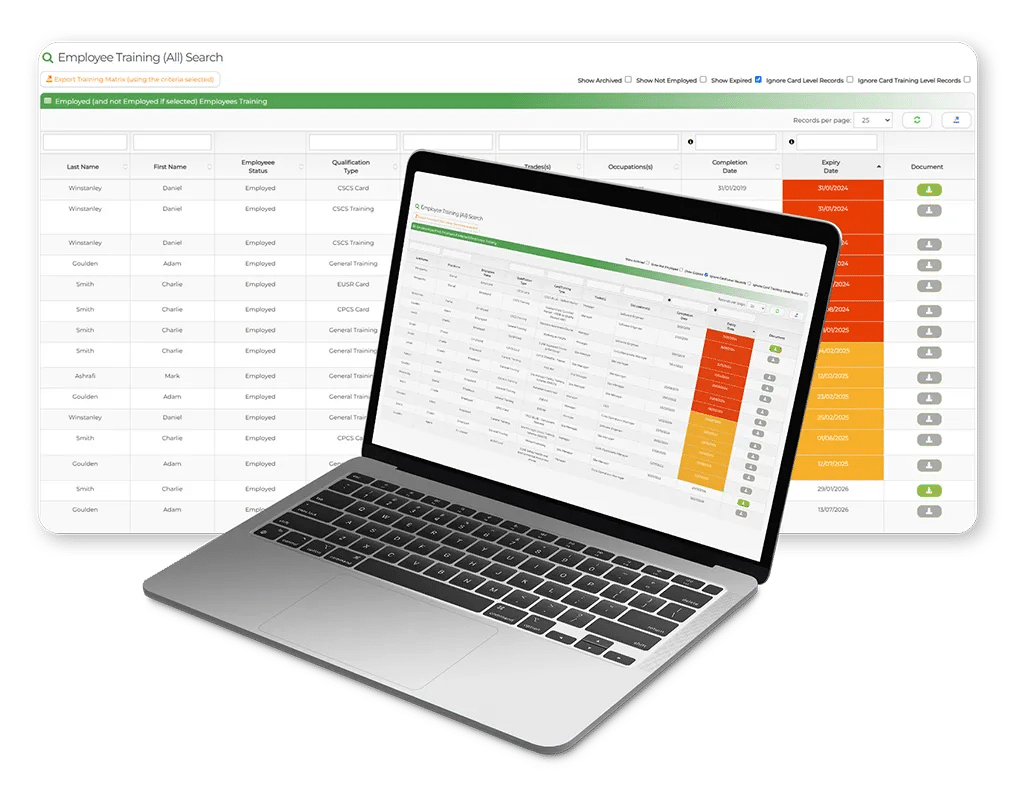
A training record management system plays a vital role in helping organisations maintain accurate and up to date records of employee training activities. It allows businesses to store, manage, and monitor training data in a structured digital environment. This becomes especially important in the UK where regulatory expectations require clear evidence of workforce competence and compliance. Without a reliable system, maintaining audit readiness can become complex and time consuming.
To explore a structured approach, you can review a training record management system designed to centralise training data and support compliance processes. Such systems help organisations reduce manual effort and improve visibility across teams. They also ensure that training information is always accessible when needed for audits or internal reviews. This creates a strong foundation for consistent compliance management.
Importance of Managing Training Records in Modern Organisations
Managing training records is essential because organisations rely on accurate data to demonstrate that employees are properly trained and qualified. In modern workplaces, training requirements are continuously evolving, which makes manual tracking inefficient. A structured system ensures that all training activities are recorded in a consistent format. This improves reliability and reduces the chances of missing critical information.
Another key aspect is accountability. When training records are properly maintained, organisations can clearly identify who has completed specific training programs. This supports internal governance and ensures that responsibilities are aligned with verified competencies. It also simplifies communication between departments by providing a single source of truth.
The Connection Between Training Records and Compliance
Training records are directly linked to compliance because they serve as evidence that employees meet required standards. Regulatory bodies often require organisations to demonstrate that their workforce is trained and competent for assigned roles. A training record management system ensures that this information is documented and easily retrievable. This reduces the risk of non compliance during audits.
In addition, automated tracking of certifications and training completions helps organisations stay proactive. Systems can generate reminders when training is due for renewal, ensuring continuous compliance. This eliminates reliance on manual follow ups and reduces the likelihood of oversight. As a result, organisations can maintain consistent adherence to regulatory requirements.
What Is a Training Record Management System?
A training record management system is a digital platform that stores, organises, and tracks employee training information in a centralised environment. It replaces manual methods such as spreadsheets and paper records with automated and structured processes. The system ensures that all training related data is accurate, up to date, and accessible when needed. It is widely used in compliance driven industries where record keeping is essential.
Definition and Core Purpose
The primary purpose of a training record management system is to provide a reliable way to manage workforce training data. It captures information such as completed courses, certifications, expiry dates, and training history. This allows organisations to maintain a clear overview of employee development and compliance status. It also supports decision making by providing accurate and real-time data.
How It Differs from Manual Training Logs
Manual training logs often involve fragmented data stored across multiple files or documents. These methods can lead to inconsistencies and difficulties in maintaining accuracy. In contrast, a digital system consolidates all records into a single platform. This ensures consistency and reduces duplication of information. It also improves accessibility for authorised users.
Role of Digital Systems in Workforce Training Management
Digital systems play an important role in modern workforce training management by automating repetitive tasks and improving data accuracy. They allow organisations to track training progress, monitor compliance, and generate reports efficiently. This reduces administrative workload and enhances operational efficiency. It also enables better coordination between training managers and compliance teams.
Why Training Records Matter for Audit Readiness
Audit readiness depends heavily on the availability and accuracy of training records. Organisations must be able to demonstrate that employees have completed required training and hold valid certifications. A training record management system ensures that this information is organised and readily accessible. This simplifies the audit process and reduces preparation time.
Ensuring Accurate Documentation of Employee Training
Accurate documentation is essential for maintaining audit readiness. Training records must reflect completed courses, certification details, and renewal dates. A centralised system ensures that this data is consistently recorded and updated. This eliminates discrepancies and improves reliability during audits.
Meeting Regulatory and Industry Standards in the UK
In the UK, organisations must comply with various regulatory standards that require proper documentation of workforce training. A training record management system helps align internal processes with these requirements. It ensures that all necessary data is available in a structured format. This supports compliance across different regulatory frameworks.
Supporting Internal and External Audit Processes
Audit processes require quick access to training records and supporting documentation. A digital system allows auditors to retrieve information efficiently without delays. It also provides organised records that demonstrate compliance with training requirements. This improves transparency and reduces the risk of audit findings.
Key Components of a Training Record Management System
A training record management system includes several components that work together to manage workforce training data effectively. These components ensure that information is stored, tracked, and updated in a structured manner. They also support compliance and reporting requirements.
Employee Training Profiles
- centralised profiles for each employee
- Records of completed training programs
- Training history and progress tracking
- Role based access to information
Certification and Qualification Tracking
- Monitoring of certification validity
- Tracking expiry and renewal dates
- Verification of employee qualifications
- Alerts for upcoming expirations
Training Completion Records
- Documentation of completed courses
- Storage of assessment results
- Historical training data
- Easy retrieval for audits
Automated Alerts for Renewals and Expirations
- Notifications for expiring certifications
- Reminders for upcoming training requirements
- Reduced risk of missed deadlines
- Proactive compliance management
centralised Data Storage and Access Control
- Secure storage of training records
- Controlled access for authorised users
- Data consistency across the organisation
- Improved information security
How Training Record Management Systems Work
Training record management systems operate by collecting, organising, and updating training data in real-time. They integrate with other systems and allow users to input and access information through a centralised platform. This ensures that all records remain current and accurate.
The system continuously updates records as employees complete training or renew certifications. It also generates reports and dashboards that provide insights into workforce training status. This helps organisations maintain visibility and control over their training processes.
Data Collection and Input Processes
- Manual or automated data entry options
- Import of training records from external systems
- standardised formats for consistent data entry
- Validation of input data for accuracy
Real-Time Updates and synchronisation
- Immediate updates to training records
- synchronisation across departments
- Continuous data accuracy
- Reduced duplication of records
Integration with Workforce and HR Systems
- Connection with HR databases
- Integration with compliance tools
- Seamless data sharing across platforms
- Improved workflow efficiency
Reporting and Analytics Capabilities
- Generation of compliance reports
- Visualisation of training progress
- Identification of training gaps
- Support for audit preparation
Benefits of Using Training Record Management Software
Training record management software provides several benefits that improve both compliance and operational efficiency. It allows organisations to manage training data more effectively while reducing manual effort. These benefits contribute to better audit readiness and workforce management.
Improved Audit Readiness
- organised and accessible training records
- Faster audit preparation
- Reduced risk of missing documentation
- Consistent data structure
Enhanced Compliance Tracking
- Continuous monitoring of training requirements
- Automated tracking of certifications
- Alignment with regulatory standards
- Reduced compliance risks
Reduced Administrative Burden
- Automation of manual tasks
- Less dependency on spreadsheets
- Efficient data management
- Time savings for teams
Better Visibility into Workforce Training
- real-time insights into training status
- Clear overview of employee progress
- Identification of skill gaps
- Improved workforce planning
Increased Accuracy and Data Reliability
- centralised and consistent data storage
- Reduced human error
- Reliable records for audits
- Improved decision making
Challenges of Manual Training Record Management
Manual training record management can create significant challenges for organisations. It often relies on spreadsheets, paper records, or disconnected systems that are difficult to maintain. These methods increase the risk of errors and inefficiencies.
Paper-Based Records and Spreadsheet Limitations
Manual systems lack automation and are prone to duplication and version control issues. Spreadsheets require constant updates and can become difficult to manage as data grows. This limits their effectiveness for compliance tracking.
Risk of Missing or Inaccurate Data
Without a centralised system, records may be incomplete or inconsistent. This can lead to missing information during audits. Inaccurate data also affects decision making and compliance status.
Difficulty in Tracking Training Expiry Dates
Tracking expiry dates manually can be time consuming and unreliable. Organisations may miss important deadlines without automated reminders. This increases the risk of non compliance.
Lack of centralised Access to Information
Manual systems often store data in multiple locations. This makes it difficult for teams to access consistent information. A centralised system resolves this issue by providing a single platform for all records.
How Training Record Management Supports Compliance Officers
Training record management systems are particularly valuable for compliance officers responsible for ensuring regulatory adherence. They provide tools that simplify monitoring, reporting, and audit preparation.
Simplifying Compliance Monitoring
- centralised tracking of training records
- Easy access to certification data
- real-time updates on workforce status
- Simplified oversight of compliance activities
Preparing for Audits Efficiently
- Quick retrieval of required documents
- Structured and organised data
- Reduced preparation time
- Improved audit readiness
Maintaining Up-to-Date Training Logs
- Continuous updates to training records
- Automated tracking of completions
- Accurate documentation of employee training
- Reduced manual intervention
Identifying Training Gaps and Risks
- Visibility into missing training requirements
- Identification of skill shortages
- Support for workforce development
- Proactive risk management
Features to Look for in Training Records Software UK
When selecting training records software in the UK, organisations should consider features that support compliance, usability, and scalability. These features ensure that the system meets operational and regulatory needs.
- User friendly interface for easy adoption
- Automated notifications for training updates
- Custom reporting and audit trails
- Integration with other business systems
- Strong data security and access controls
Organisations can also enhance compliance processes by using competency framework software alongside training systems. This helps align training with defined competency standards and improves workforce capability management.
Training Compliance Software in the UK Context
Training compliance software is designed to help organisations meet regulatory requirements specific to the UK. It ensures that training records are maintained in a way that supports audits and inspections.
Regulatory Expectations for Training Records
Organisations are expected to maintain accurate and up to date training records. These records must demonstrate that employees have completed required training programs. Compliance software helps meet these expectations by organising and storing data effectively.
Industry-Specific Compliance Requirements
Different industries have specific training requirements that must be followed. Training compliance software allows organisations to customise tracking based on their industry needs. This ensures alignment with relevant standards and guidelines.
Importance of Digital Record Keeping for Audits
Digital record keeping simplifies audit processes by providing quick access to structured data. It reduces the time required to gather documentation and improves transparency. This enhances overall audit readiness.
Role of Employee Training Tracking Systems in organisations
Employee training tracking systems help organisations monitor workforce development and ensure that employees remain qualified for their roles. They provide insights into training progress and support continuous improvement initiatives.
Monitoring Employee Development and Progress
- Tracking completion of training programs
- Monitoring skill development
- Identifying progress over time
- Supporting performance evaluation
Supporting Continuous Learning Initiatives
- Encouraging ongoing training
- Aligning training with organisational goals
- Promoting skill enhancement
- Supporting professional development
Aligning Training with organisational Goals
- Ensuring training matches role requirements
- Supporting competency development
- Improving workforce efficiency
- Enhancing overall productivity
Future of Training Record Management Systems
Training record management systems are evolving with advancements in technology. Automation and data analytics are becoming more prominent, allowing organisations to manage training records more efficiently. Future systems will likely offer deeper insights and improved predictive capabilities.
Artificial intelligence may also play a role in identifying training needs and optimising workforce development. These advancements will enhance compliance management and reduce manual intervention. As organisations continue to adopt digital solutions, training record systems will remain a critical component of compliance frameworks.

Conclusion
A training record management system is essential for maintaining audit readiness and ensuring compliance in the UK. It provides a structured way to manage employee training records, certifications, and qualifications in a centralised platform. This reduces reliance on manual methods and improves data accuracy and accessibility.
By automating tracking, reporting, and notifications, these systems help organisations stay proactive in managing compliance requirements. They also support compliance officers by simplifying audit preparation and improving visibility into training activities. Organisations that adopt such systems can achieve better control, efficiency, and reliability in their training management processes.
FAQs
1. What is a training record management system?
A training record management system is a digital platform used to store, track, and manage employee training records, certifications, and qualifications in a centralised system.
2. Why is audit readiness important for training records?
Audit readiness ensures that organisations can quickly provide accurate and complete training records during audits, demonstrating compliance with regulatory requirements.
3. How does training record software improve compliance?
It improves compliance by tracking certifications, sending renewal alerts, maintaining accurate records, and providing structured documentation for audits.
4. Who uses training record management systems?
Compliance officers, HR teams, training managers, and operations leaders commonly use these systems to manage workforce training and ensure regulatory adherence.
5. What are the key features of a training record management system?
Key features include centralised data storage, training tracking, certification monitoring, automated alerts, reporting tools, and integration with other systems.